
Tennis Elbow: Causes, Symptoms & Treatment Options
Tennis elbow can make everyday movements uncomfortable. Simple activities like shaking hands, lifting a bag, opening a jar or gripping a tennis racquet can cause pain around the outside of the elbow.
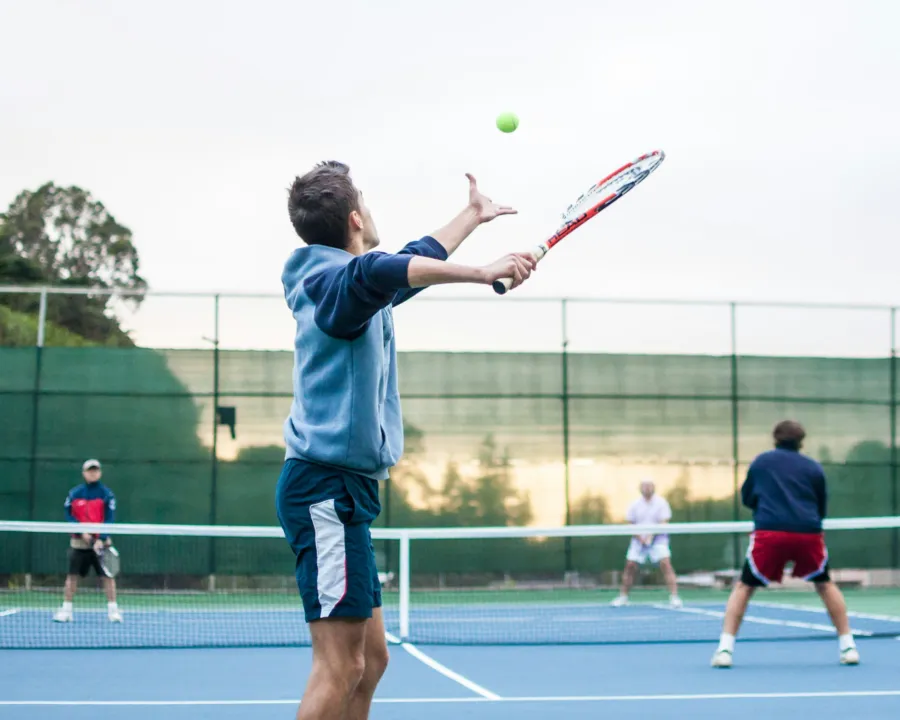
Despite its name, you don’t need to play tennis to develop tennis elbow. Repetitive movements, gripping, lifting, sporting activities and sudden changes in physical workload can all contribute to irritation and sensitivity around the elbow.
In this article, we’ll explain the common causes, symptoms and treatment options for tennis elbow, as well as when it may be worth having your symptoms assessed.
What Is Tennis Elbow?
Tennis elbow is a common term used to describe pain associated with the tendons on the outside of the elbow. These tendons connect the muscles of the forearm to the elbow and are involved in movements such as gripping and extending the wrist.
Tennis elbow can develop when these tissues are exposed to repeated or increased loading without enough time to adapt.
The name can be misleading because tennis is only one possible source of repetitive stress. People who work with tools, exercise regularly, perform repetitive tasks or play other sports can also experience similar elbow symptoms.
What Causes Tennis Elbow?
There isn’t always one specific cause of tennis elbow. In many cases, several factors contribute to the problem.
Common contributing factors include:
- Repetitive gripping or lifting
- Frequent wrist movements
- Playing tennis or other racquet sports with poor technique or equipment setup
- Increasing training too quickly
- Repetitive workplace activities
- Manual work involving the hands and forearms
- Returning to exercise after a long break
- Changes in sporting technique
- Changes to equipment or racquet setup
- Insufficient recovery between demanding activities
For example, a tennis player who suddenly increases the number of training sessions may place more load through their forearm than their body is currently prepared to handle.
Similarly, someone who starts a new manual job, DIY project or exercise program may develop elbow discomfort without playing any sport.
Understanding what may be contributing to your symptoms can therefore be an important part of deciding how best to manage the problem.
What Are the Symptoms of Tennis Elbow?
Tennis elbow commonly causes pain or tenderness around the outside of the elbow, although symptoms can sometimes extend into the forearm.
You may notice:
- Pain or tenderness around the outside of the elbow
- Pain when gripping objects
- Discomfort when lifting
- Pain during wrist movements
- Reduced grip strength
- Forearm discomfort
- Pain while playing tennis or other sports
- Difficulty performing certain everyday tasks
For a tennis player, symptoms may appear when hitting a one-handed backhand, or gripping the racket too tightly when playing. This can be due to poor technique, a worn-out grip or dead strings causing the racket to twist excessively in the player’s hand.
For someone who doesn’t play tennis, symptoms may occur while carrying groceries, using tools, working at a desk or performing repetitive household tasks.
Because a number of different conditions can cause elbow pain, persistent symptoms shouldn’t automatically be assumed to be tennis elbow. An assessment can help determine what may be contributing to your symptoms.
Can You Get Tennis Elbow Without Playing Tennis?
Yes.
Tennis elbow can occur in people who have never played tennis.
The condition is associated with repeated loading of the muscles and tendons around the forearm and elbow. This type of loading can occur through work, hobbies, exercise and many different sports.
How Is Tennis Elbow Assessed?
A professional assessment typically starts by understanding your symptoms and how they affect your normal activities.
Your practitioner may consider:
- Where you experience pain
- Which movements aggravate your symptoms
- Your work and sporting activities
- Recent changes in training or physical workload
- Wrist and forearm function
- Elbow movement
- Strength and mobility
- Previous injuries
This information can help identify factors that may be contributing to your symptoms and guide an appropriate management plan.
Tennis Elbow Treatment Options
No single treatment approach is suitable for everyone. Treatment may depend on how long you’ve experienced symptoms, which activities aggravate them and the factors contributing to the problem.
Depending on the individual, management may include:
- Modifying aggravating activities
- Progressive strengthening
- Mobility exercises
- Rehabilitation
- Manual therapy
- Addressing movement limitations
- Reviewing sporting technique
- Gradually returning to activity
The aim is generally to improve your ability to tolerate the activities that matter to you, rather than simply avoiding movement indefinitely.
If you’re experiencing ongoing elbow pain, an individual assessment can help determine which treatment and rehabilitation options may be appropriate for your situation.
Tennis Elbow Treatment by a Chiropractor
A chiropractic approach to tennis elbow can involve assessing the wider factors that may be contributing to your symptoms.
Rather than focusing exclusively on the painful area, your assessment may also consider:
- Wrist and forearm function
- Elbow mobility
- Shoulder movement
- Strength
- Movement patterns
- Tennis technique
- Training load
- Recovery habits
- Equipment
At Prime Health Co., we tailor treatment to the individual. Depending on your presentation, care may include chiropractic treatment, manual therapy, dry needling, shockwave therapy and personalised rehabilitation.
The focus is on understanding the individual and the factors contributing to their symptoms, rather than treating every case of tennis elbow in exactly the same way.
How Long Does Tennis Elbow Take to Improve?
Recovery from tennis elbow can vary significantly between individuals.
Some people experience improvement with appropriate activity management and rehabilitation, while others may have symptoms that continue for several months.
One reason recovery can take time is that returning to demanding activity too quickly may continue to stress an already sensitive area.
A gradual approach can allow you to rebuild strength and tolerance while monitoring how your elbow responds to increasing activity.
How Can You Reduce the Risk of Tennis Elbow?
You can’t prevent every case of tennis elbow, but there are practical steps you can take to manage some of the contributing factors.
Increase Activity Gradually
Avoid making large increases in training volume or intensity over a short period. Give your body time to adapt to changes in workload.
Build Strength
Appropriate forearm, wrist and upper body strengthening can help prepare your body for the physical demands of work, exercise and sport.
Review Your Technique
If you’re a tennis player, reviewing your technique may help identify movement patterns that could be contributing to increased stress on your arm.
Consider Your Equipment
Review your racquet, grip and strings, particularly if your symptoms started after changing your setup or increasing how often you play.
Allow Time for Recovery
Rest and recovery are important as your body adapts to increased physical demands. Balancing training with adequate recovery can help manage your overall workload.
Tennis Elbow Treatment Brisbane & Redland Bay
If you’re searching for tennis elbow treatment in Redland Bay, Prime Health Co. provides assessment and treatment for tennis-related and other musculoskeletal injuries from our Redland Bay clinic.
Whether you’re a regular tennis player, recreational athlete or someone experiencing elbow pain from work or everyday activities, understanding what’s contributing to your symptoms is an important starting point.
We take an individual approach to assessment and rehabilitation, selecting treatment options based on your symptoms, goals and circumstances.
Learn more about tennis elbow treatment in Brisbane and Redland Bay at Prime Health Co.
Frequently asked questions
About the author:
Dr Michael Benporath is a chiropractor with a postgraduate International Certificate in Sports Chiropractic. Michael practices at Prime Health Co. in Redland Bay, Brisbane.
