
Women’s Health and Chiropractic Care
Jamie realised that women often needed more than simply treating the musculoskeletal symptoms that brought them through the door.
What else might be contributing to the way you feel?
Women presenting with headaches, persistent pain or reduced physical capacity may also be navigating hormonal imbalances, nutritional insufficiencies, poor sleep, stress, changes in metabolic health or other factors that influence how her body functions.
Rather than looking at symptoms in isolation, Jamie’s aim is to understand what else may be contributing to the way you feel. Whether you’re navigating hormonal changes, menstrual concerns, pregnancy, postpartum recovery, fatigue, stress or simply feel like your body isn’t functioning the way it should. Her approach is to consider the whole person and help you build a foundation for better health, function and resilience.
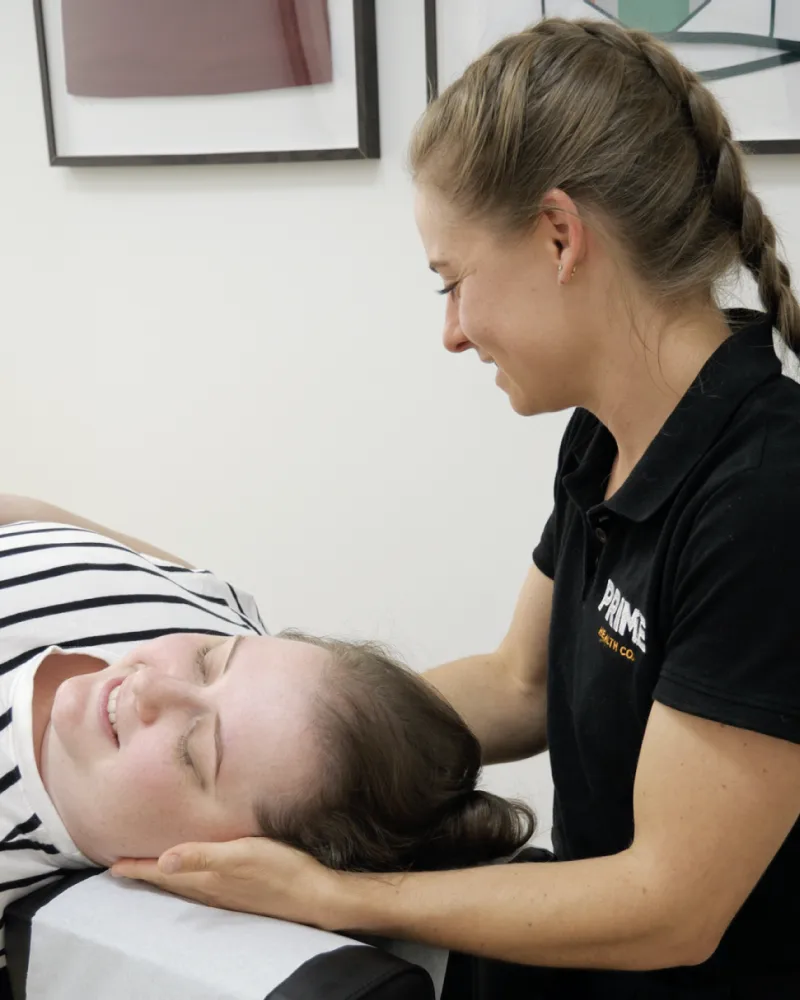
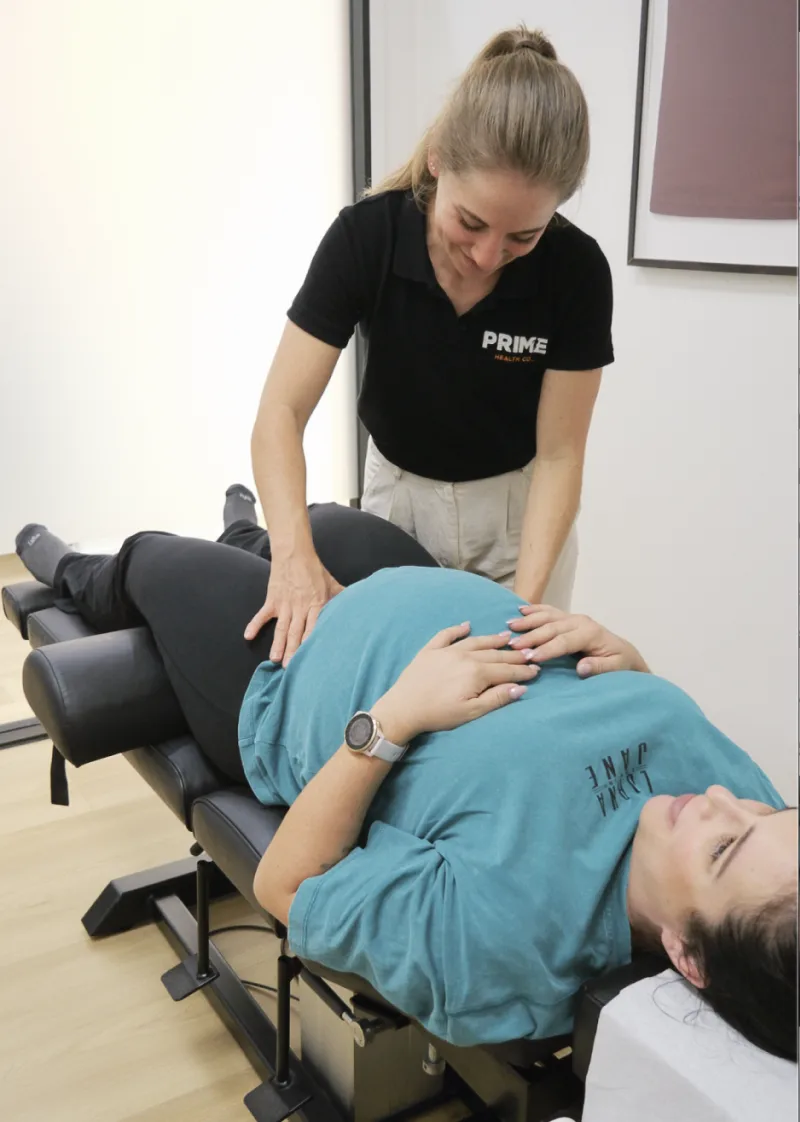
Women’s health deserves more than a one-size-fits-all approach.
Factors contributing to symptoms can change throughout different stages of life. From the menstrual years through to pregnancy, postpartum, perimenopause and menopause, hormonal, nutritional, metabolic and lifestyle factors can all influence how a woman feels and functions.
Conditions such as endometriosis, painful periods, PMS/PMDD and thyroid disorders can have musculoskeletal presentations. Identifying and addressing these underlying factors, alongside musculoskeletal care, can be an important part of achieving the best possible outcomes for your symptoms and overall wellbeing.
Headaches and migraines can also have a significant musculoskeletal component, but may be influenced by hormonal fluctuations, nutritional insufficiencies, stress, sleep and other lifestyle factors. Taking all of these potential contributors into consideration allows for a more comprehensive approach to care.
Pre-existing musculoskeletal conditions can also fluctuate throughout the menstrual cycle. Premenstrual exacerbation (PME) describes the worsening of an existing condition during the premenstrual or late-luteal phase. This can occur in conditions such as fibromyalgia, chronic fatigue syndrome and hypermobility disorders, where symptoms may become more pronounced at certain points in the cycle.
These symptoms aren’t always purely biomechanical, which is why looking beyond the area of pain and considering the menstrual cycle and broader health picture can be so valuable.
My approach extends beyond hands-on chiropractic care. Where appropriate, I can help you understand your health history and pathology results, identify nutritional and lifestyle factors that may be relevant to your symptoms, and provide personalised guidance around diet, exercise, lifestyle and supplementation.
This allows us to consider the bigger picture including the musculoskeletal factors contributing to your symptoms and the broader factors that may be influencing your health, recovery and quality of life.
